Small Spaces, Grand Glow
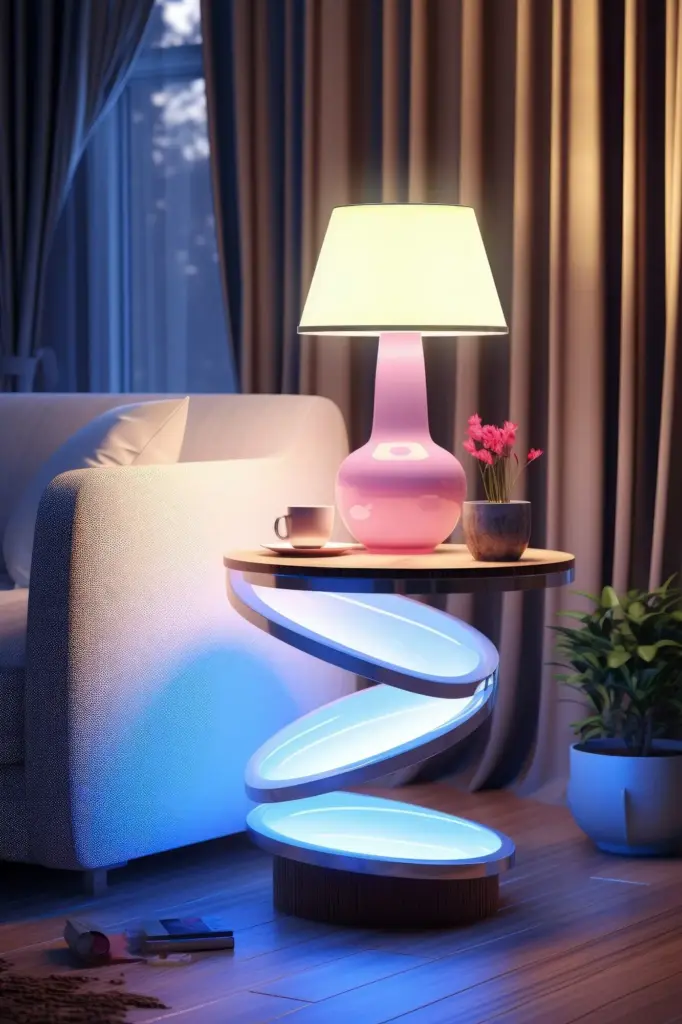
Ambient Foundations That Stretch Walls And Soften Corners
Aim for a gentle, shadow-free base using indirect sources such as concealed LED coves, shielded pendants, or wall-integrated uplights. This floating glow should skim surfaces rather than spotlight them, smoothing transitions and brightening vertical planes. Keep output modest yet continuous, around 10–20 lumens per square foot, with dimming to tune evening coziness and morning clarity without overwhelming your small layout.
Task Beams That Respect Scale And Still Shine
Place tight, low-glare beams only where work truly happens: reading chairs, counters, vanities, and desks. Choose narrow optics or articulating heads to avoid washout and keep light from flooding neighboring zones. In my own micro-office, a 3000K, high-CRI directional sconce replaced a bulky table lamp, freeing desk space and delivering crisp contrast that boosted focus, while dimming down beautifully for late-night calm.
Accents That Whisper Luxury, Not Noise
Use a few deliberate highlights to suggest depth and intention: a framed print, a textured panel, or a shelf vignette. Small interiors need restraint, so select one or two focal moments and light them with tight beams or hidden strips. The trick is hierarchy—brighter than ambient, dimmer than task—so attention glides gracefully without visual clutter or glare-heavy hot spots stealing the scene.
Right-Sized Statement Pieces That Don’t Overwhelm
Metallic Finishes That Reflect Warmth, Not Chaos
Glass, Alabaster, And Fabric That Diffuse With Grace
Warm-To-Dim LEDs That Echo Candlelight
High-CRI Lamps That Honor Materials And Art
Scenes And Dimmers That Shape Day-To-Night Flow

Coves And Perimeter Lines That Lift Ceilings
Even a modest, two-inch recess can house an LED strip that pours light upward, visually raising the ceiling and melting corners. Use diffusers for a continuous ribbon without hotspots, and select 2700K–3000K for warmth. Timed dimming lets evenings settle gently. The result is an airy crown of glow that suggests height without drywall surgery or bulky fixtures competing with artwork and shelving.
Wall-Washing And Grazing To Widen Narrow Rooms
Place linear wall-washers or adjustable downlights close to walls to brighten vertical surfaces evenly, making corridors feel broader. For texture, pivot to grazing and let shadows articulate brick or relief plaster. In my favorite micro-hall, a subtle wash erased the tunnel effect, while a graze on a linen panel added quiet drama, guiding steps and attention without stealing precious floor area.
Under-Cabinet And Toe-Kick Lines For Floating Furniture
Continuous under-cabinet strips eliminate counter shadows and free you from overhead glare, a lifesaver in galley kitchens. Toe-kick lighting under vanities or consoles creates a floating effect that screams boutique hotel. Use low-lumen, warm strips with diffusers to avoid dots. This featherweight glow clarifies circulation, adds depth at night, and turns everyday cabinetry into a sculptural, grounded element with effortless poise.
Mirrors, Reflection, And Optical Alchemy
Mirror Placement That Multiples Glow, Not Clutter
Position mirrors to reflect layered sources, not bare bulbs. Flank a mirror with diffused sconces or aim a warm wall-wash toward it, so the reflected image reads as soft radiance. Bronze or antiqued finishes temper intensity. A tall panel near a window extended daylight deeper, then kissed evening light back into the space, adding breadth without increasing fixture count or visual noise.
Balancing Gloss, Satin, And Matte For Control
Mix finishes deliberately: matte walls to absorb glare, satin cabinetry for subtle bounce, and pockets of gloss or polished metal to sparkle. This hierarchy creates rhythm and looks curated. A petite entry gained gravitas when a satin console met a brushed brass sconce and matte limewash; the light danced just enough to feel special, never frenetic, welcoming guests like a quiet promise.
Translucence And Shadow For Luxury Texture
Introduce textured glass, pleated shades, or perforated metal to layer shadow patterns at low levels. These details create intimacy that reads as bespoke. I once added a ribbed glass drum in a tiny bedroom; its glow rippled softly across linen, making a modest headboard feel custom. Luxury often emerges not from lumens, but from the poetry of edges where light dissolves gently.
Smart Controls, Scenes, And Tiny-Room Playbooks